
First Balkan War – The Battle of Giannitsa (1912)
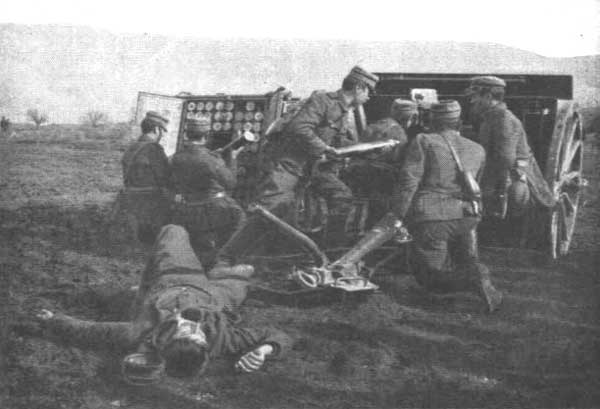
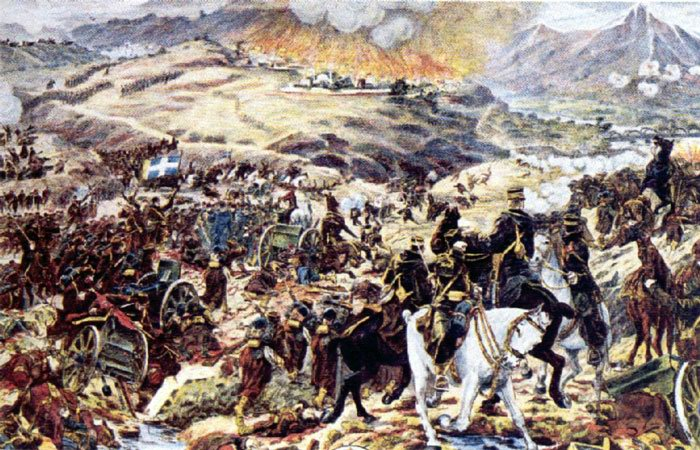
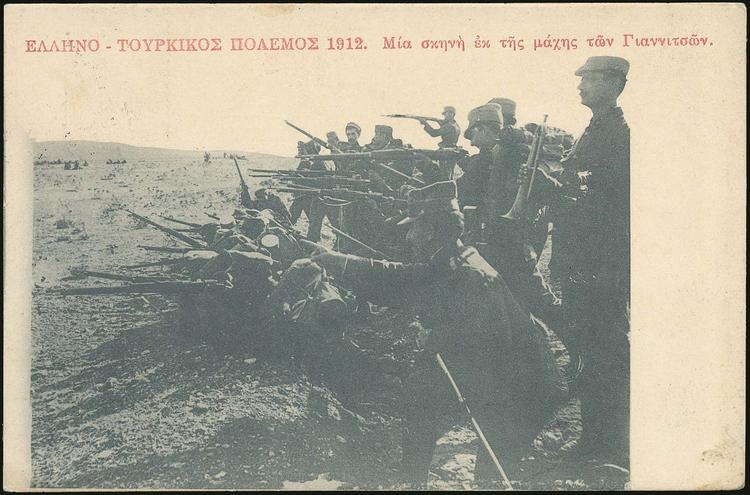
The Ottoman army on the Greek front, after failing to hold its position at the Sarantaporo Pass and only managing to create some obstacles to the Greek advance in Western Macedonia, gathered at Giannitsa, where they fortified themselves. They correctly judged that Thessaloniki could not be defended outside its walls. The strategic location of Giannitsa, with its low hills acting as excellent defensive grounds and the nearby lake, forced the opposing forces into a relatively narrow path. The battle began on October 19th and lasted for two days.
The Greek military forces had to cross a bridge over the Baliças stream, which was already targeted by the enemy. Under torrential rain, the Greek regiments suffered heavy losses and faced significant difficulties in their deployment. By nightfall, having been forced to cross the stream, the artillery was fully deployed, and corrective flanking maneuvers were executed from the northwestern hills above Giannitsa. The Greek army’s assault was vigorous, and by the morning of the 20th, victory was achieved. The losses were severe. Ottoman casualties were three times higher. A fire had broken out in the town. However, the road to the liberation of Thessaloniki was now open.
To the New City
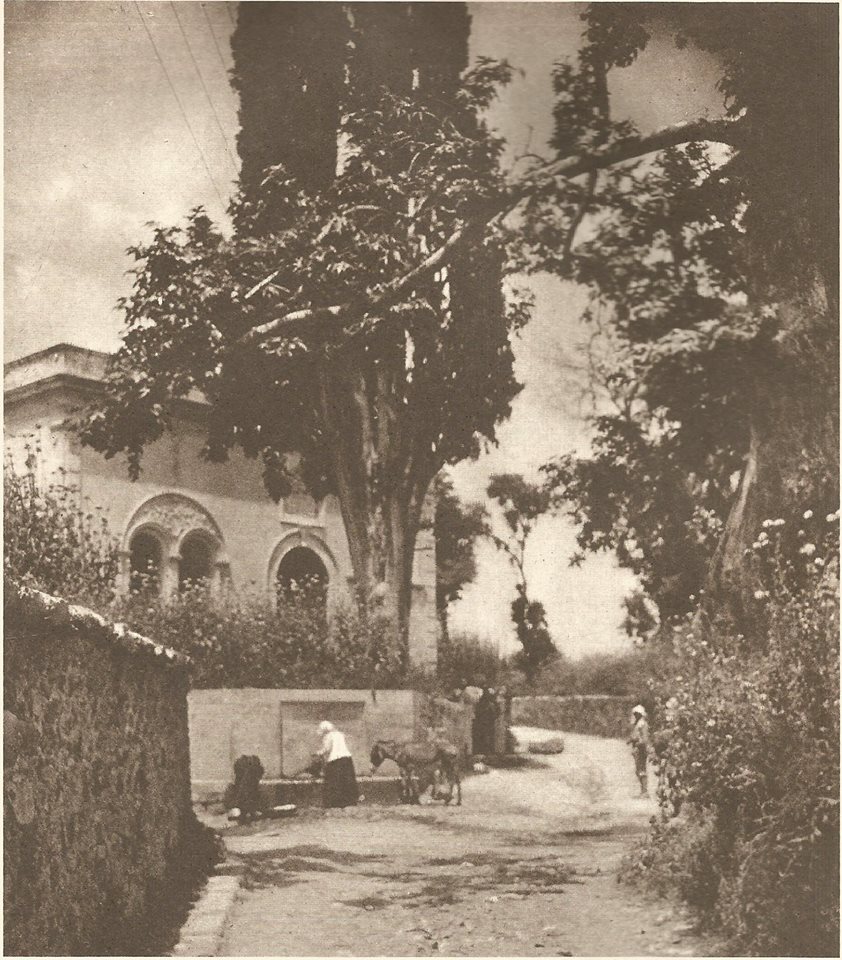
Under the Greek flag, Giannitsa experienced the First World War and the turbulent times that followed. Initially governed as a community until 1917, it briefly served as the capital of the newly established Pella Prefecture for two months, before becoming the municipality’s administrative center in 1918. The population underwent significant transformations and relocations.
Following the national catastrophe of 1922, over the next three years, Muslims and those sympathetic to the Bulgarians left the city and surrounding areas due to population exchange agreements. In their place, refugees from Strandza, residents of Karyes and Kavakli in Eastern Rumelia, many families from Arsou, families from the Chaldia (Argyroupolis) and Trebizond dioceses, and numerous Bafralides from western Pontus arrived. Additionally, a significant number of Pontic migrants from areas of Russia and many Cappadocians from the regions of Caesarea and Nigde (Karamanlides), as well as from other parts of Asia Minor such as Smyrna, Cilicia, and Malakopi, settled in Giannitsa.
The Interwar Period
The transformation of an essentially Ottoman town, characterized by strong fundamentalism, into a vibrant Greek city within two decades is attributed less to state efforts, as the state was extremely poor, and more to the residents themselves. They created a substantial productive base, and despite being ravaged by malaria and poor hygiene, they managed to thrive. They did this through their settlement houses and traditional homes, initially united by common origins and later as “Giannitsians.”
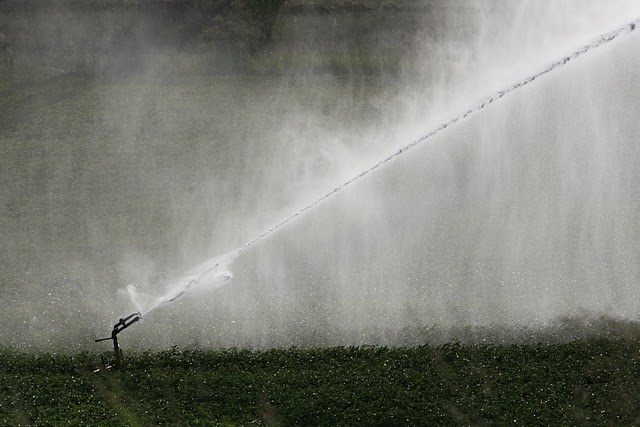
Two key factors contributed to this transformation: the draining of Lake Giannitsa by the Foundation Company during the interwar years, which increased agricultural land to 30 acres per family—land that was genuinely fertile—and the persistent educational efforts through schools, associations, institutions, and common goals.
War, Occupation, and Civil War
The residents of Giannitsa enthusiastically enlisted and fought in the Greco-Italian War in Albania. When the front collapsed, the Germans occupied the city and initially maintained a significant garrison there. The agricultural nature of the area prevented severe shortages, but resistance against the occupiers intensified, especially after 1943. Most joined the National Liberation Front (EAM), although other groups operated temporarily. The situation worsened in 1944, as Germany was on the verge of withdrawal. In cooperation with Security Battalions and other pro-Nazi organizations, the Germans attempted to “clear out” the resistance, particularly in the Paiko region, which threatened their potential retreat. On March 23, 1944, they burned Eleftherochori and executed many of its residents. A tragic and significant event was the execution of dozens of residents, including the town’s mayor, Thomas Magriotis, by the occupiers and their collaborators on September 14, 1944, at the 1st Primary School of Giannitsa. This mass execution deeply shocked the Giannitsa community.
The dark period that followed, leading to the civil war, was a time of great confusion and conflict. The wounds of the Occupation and Civil War took a long time to heal, essentially only beginning to close in recent years, well after the Metapolitefsi (the period following the fall of the military junta in Greece).
The Post-War Period
The wounded city of 1950, which began its reconstruction slowly, transformed over half a century into a dynamic city with a tripled population, significant infrastructure, numerous scientists and creators, and notable economic weight. This development occurred despite the previously poor state of roads and transportation infrastructure, and the proximity to Thessaloniki, which hindered even greater growth. It’s worth noting that Giannitsa did not experience the expected commercial development in the nineteenth century because the Thessaloniki-Monastir railway line bypassed it to the south of the lake. Recently, the route of the new Via Egnatia via Veria similarly disadvantaged the region’s road infrastructure.
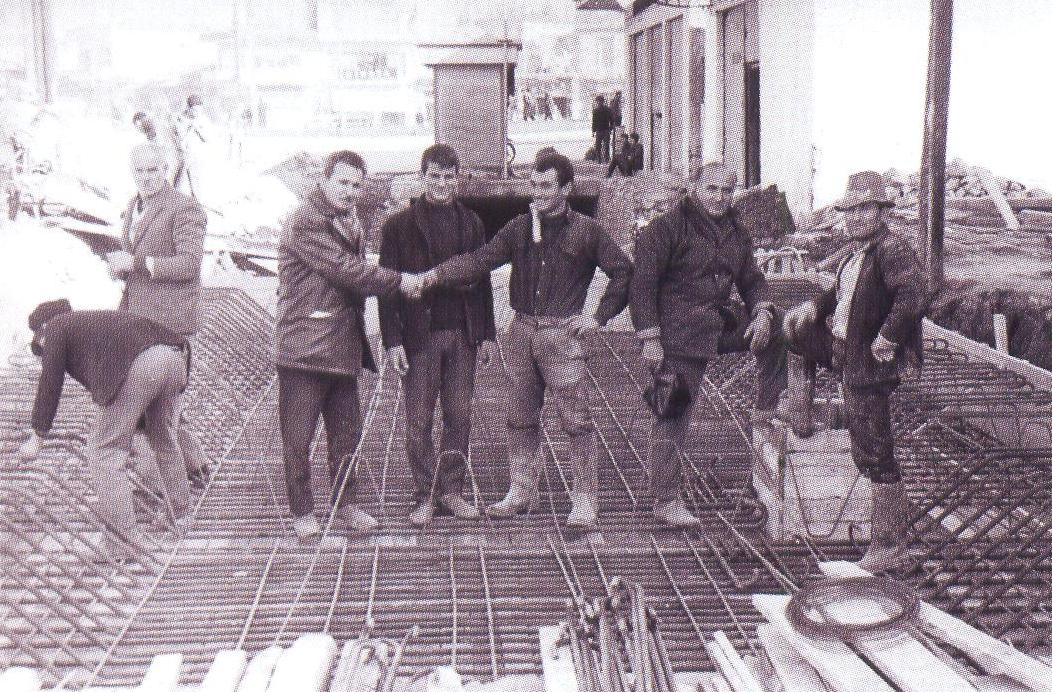
Initially, the city’s urban planning did not respect its rich architectural heritage, leading to the demolition of many ruined monuments. Only in recent decades has there been an effort to preserve cultural heritage, thanks to the cooperation of generations and the efforts of local authorities and associations. One of the country’s first pedestrian streets was inaugurated in the early 1980s. The city acquired a hospital, many educational buildings, a nautical sports center, and, after 30 years, the operation of its Cultural Center and an open-air theater.
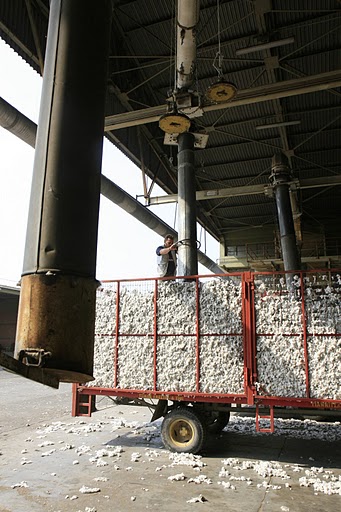
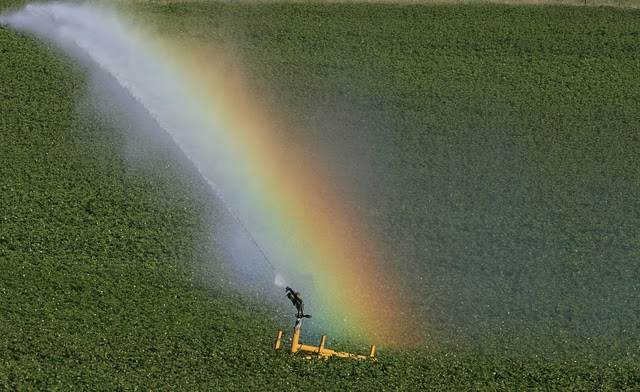
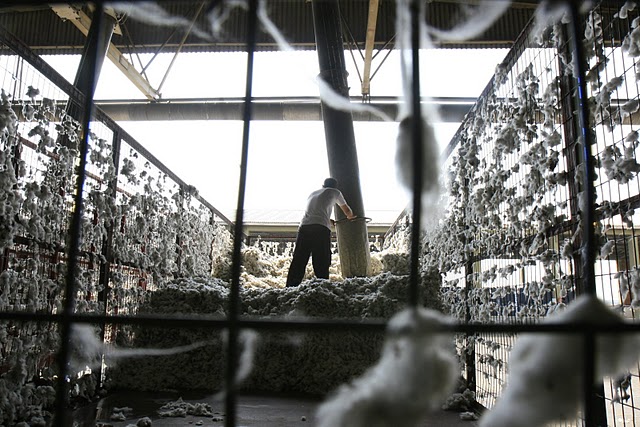
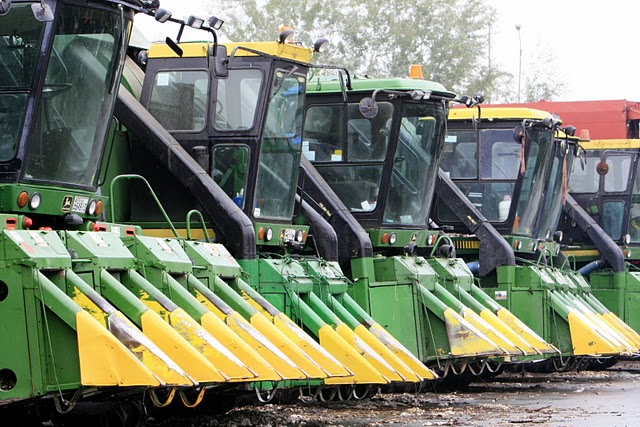
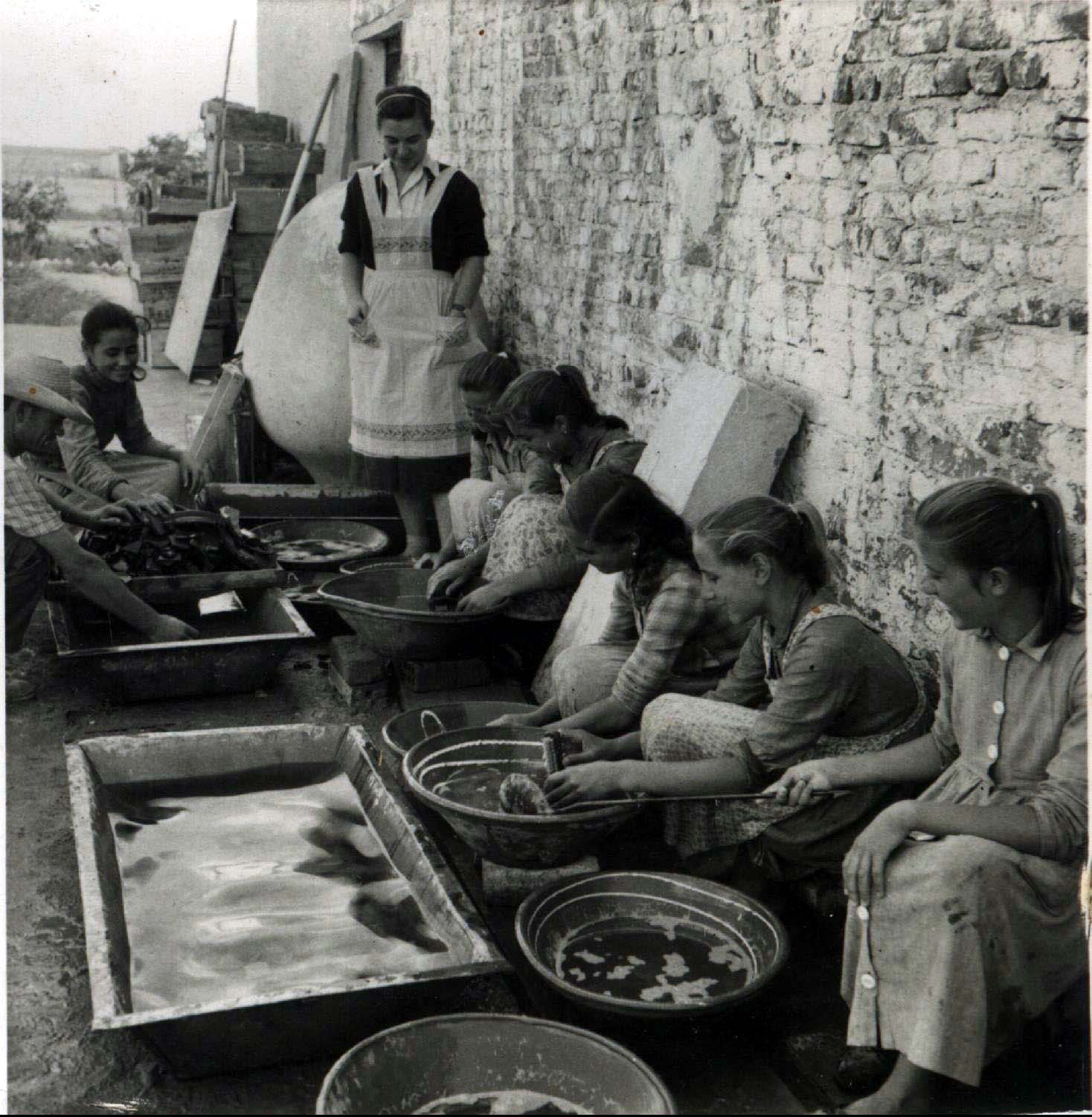
Economically, the city advanced further. The drain of migration and urbanization eventually led to the emergence of new entrepreneurs who invested in their hometown after a difficult period. Old conflicts and weaknesses were overcome by growth itself. Shops and industries complemented the significant agricultural production, which underwent several changes, such as the gradual abandonment of tobacco and the dominance of cotton and fruit trees. There is already vineyard cultivation and a growing organic farming consciousness among young farmers.
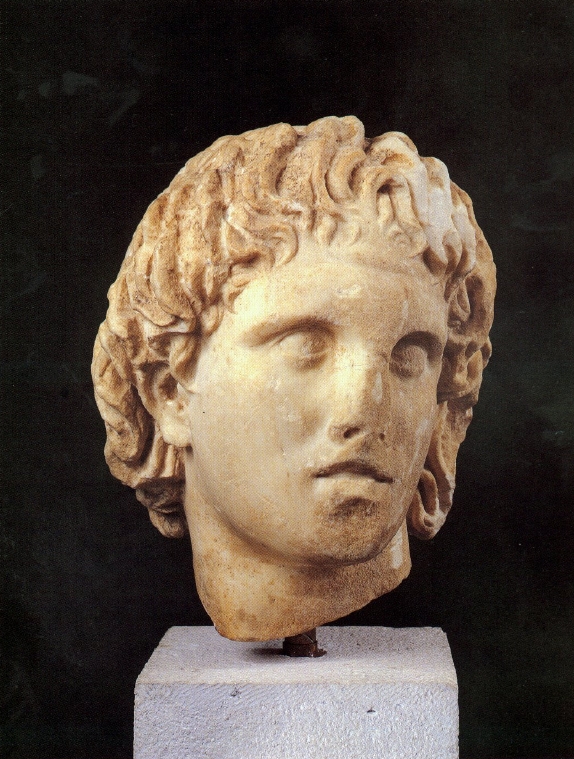
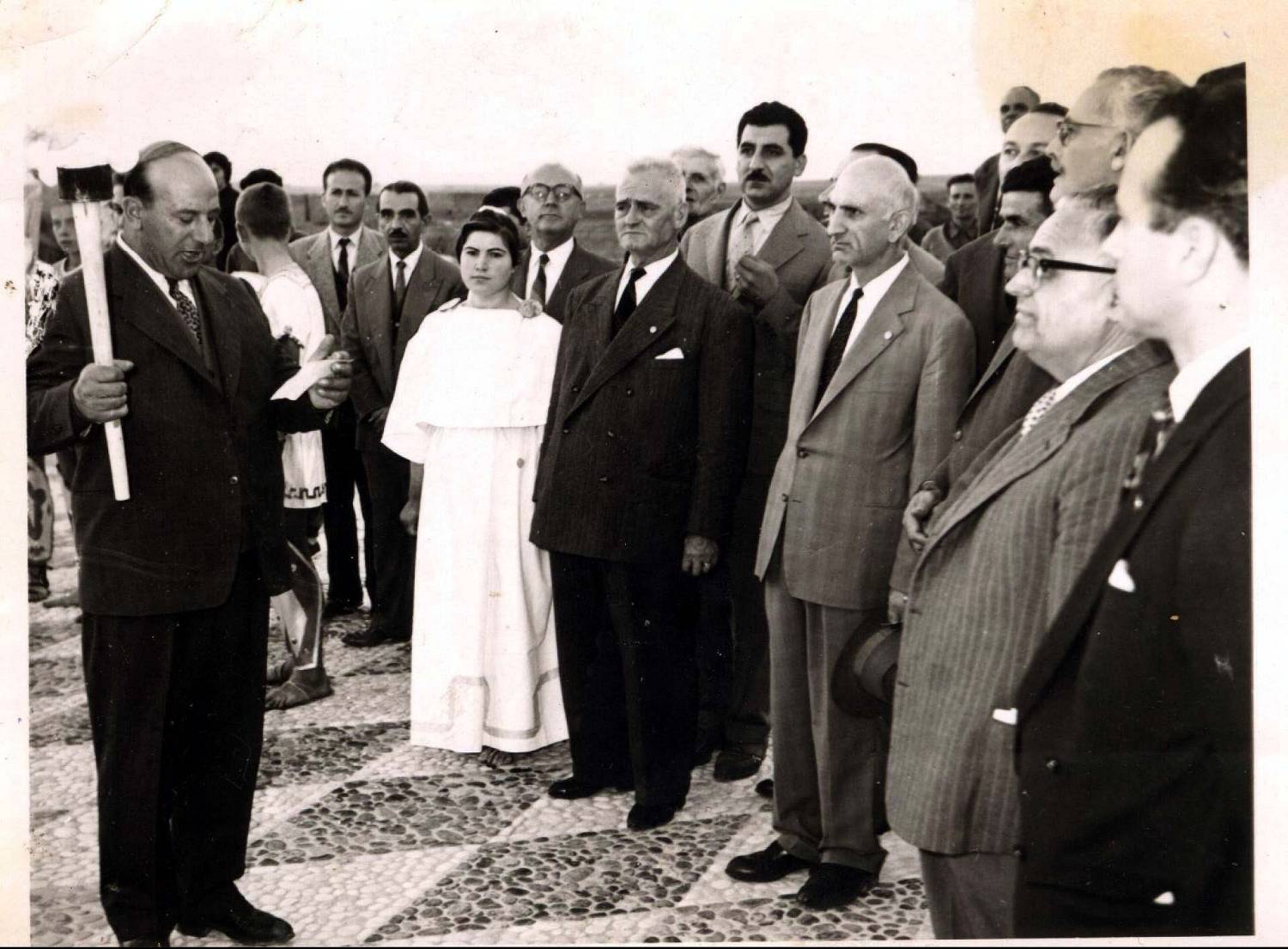
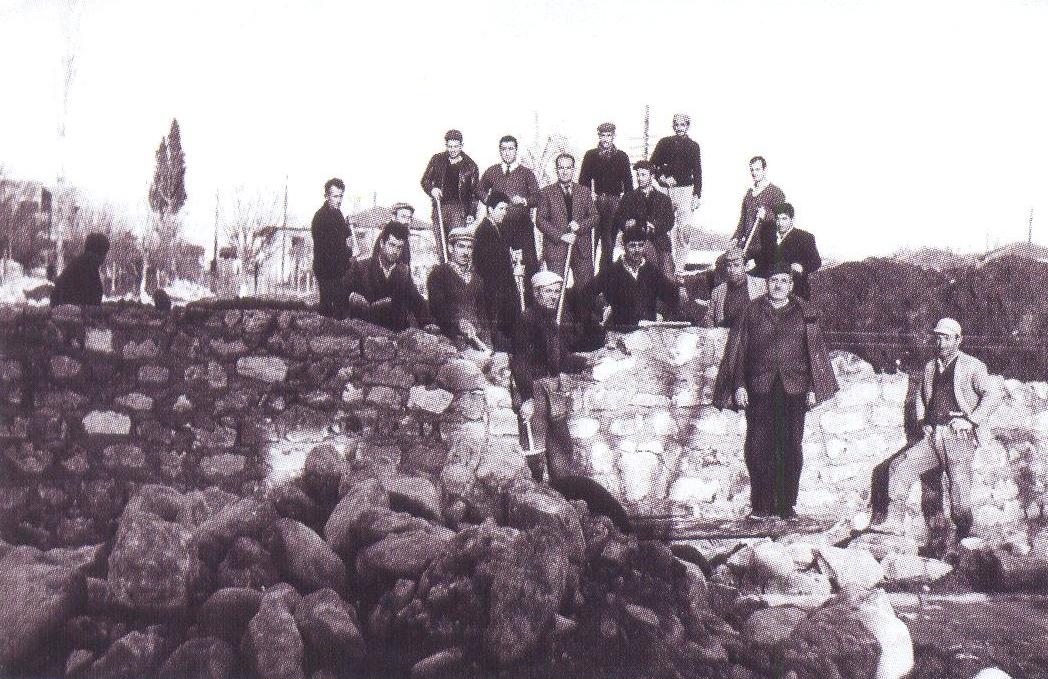
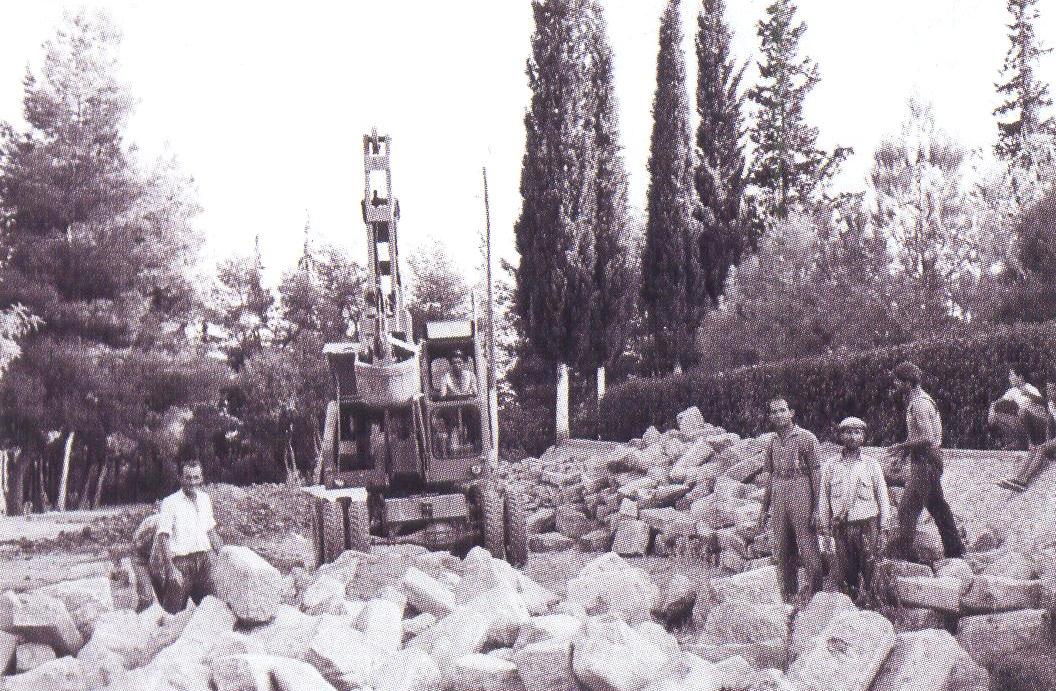
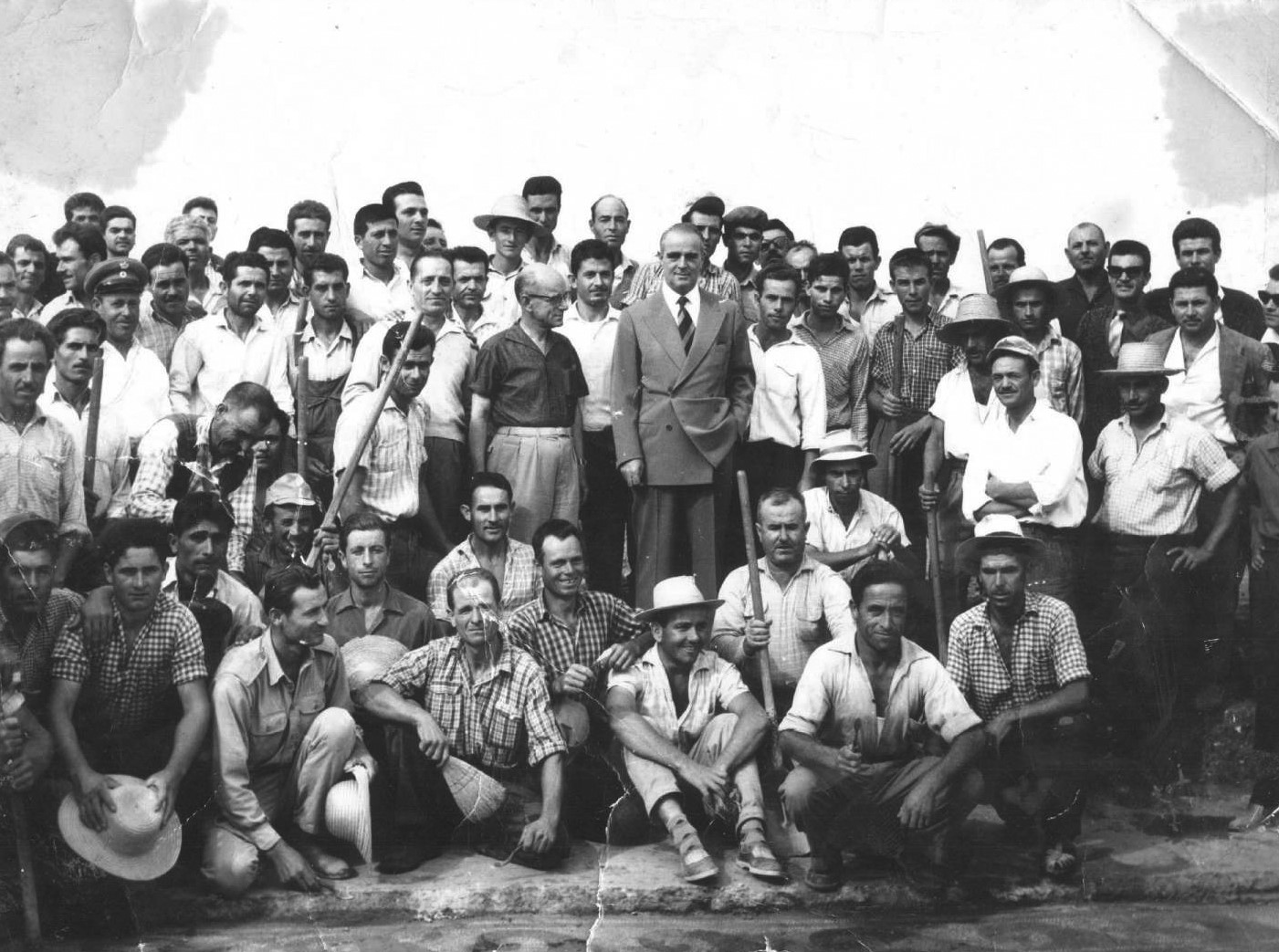
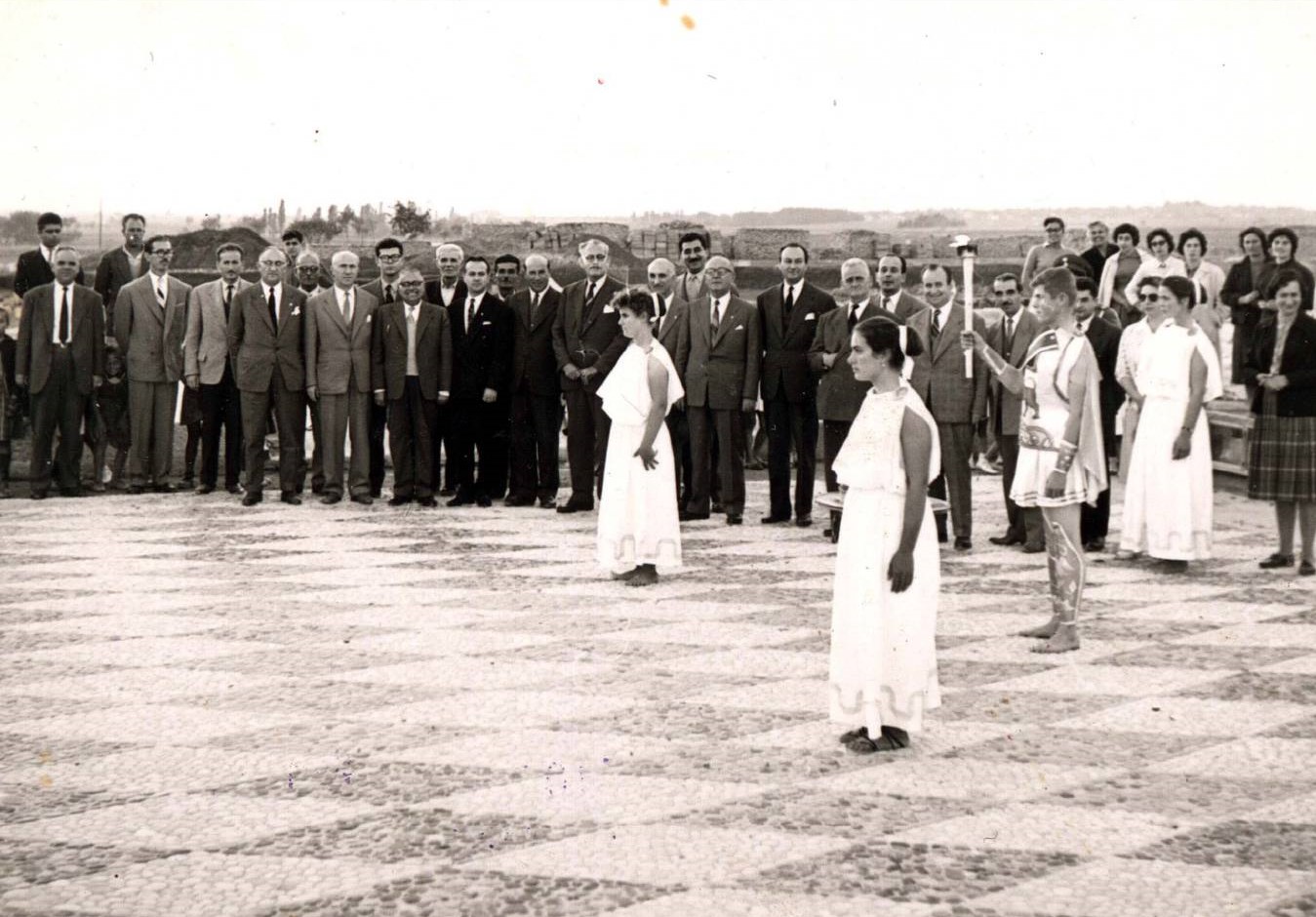
Systematic excavation of Pella also began in the late 1950s. The first excavation attempt had been made in 1914 and 1915, but it was interrupted due to the country being caught between the Balkan Wars and the First World War. The post-war excavation of Pella by Charalambos Makaronas and Fotis Petsas revealed a large part of the ancient city and brought to light significant findings and artworks. The excavation continued intermittently over the following decades, complemented by restoration works and the construction of museums. Today, the archaeological site and museum of Pella are among the most important in the country.
Into the Future
No one can be a prophet in their own land, but Giannitsa is a city with a promising future. Over time, its distance from Thessaloniki is effectively shrinking, fostering a suburban perception towards a future metropolitan hub. The significant role of Thessaloniki’s western entrance, along with the gradual decline of major industrial units near the Gallikos River, offers many residential development opportunities in the Giannitsa area. This potential can be fully realized if the city is connected to Thessaloniki by fixed-track networks. In short, the Land of Pella and a suburban railway could become strong poles of local development.