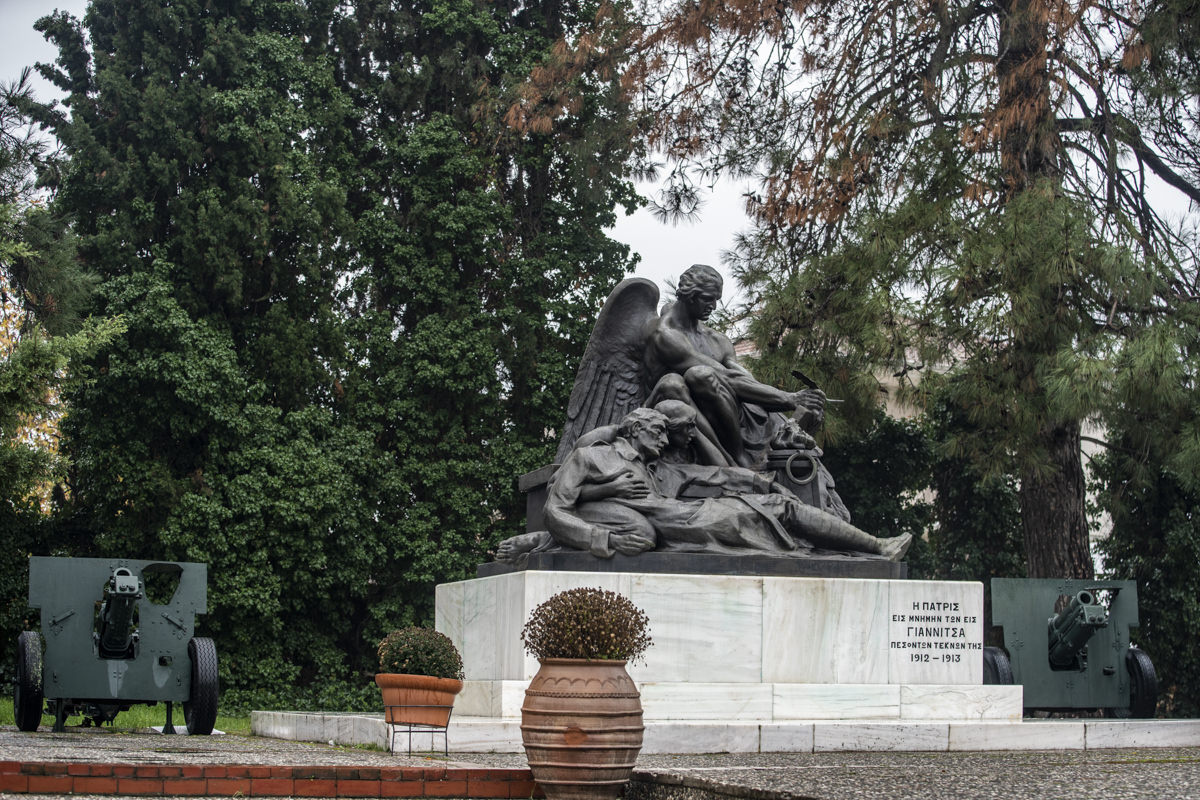
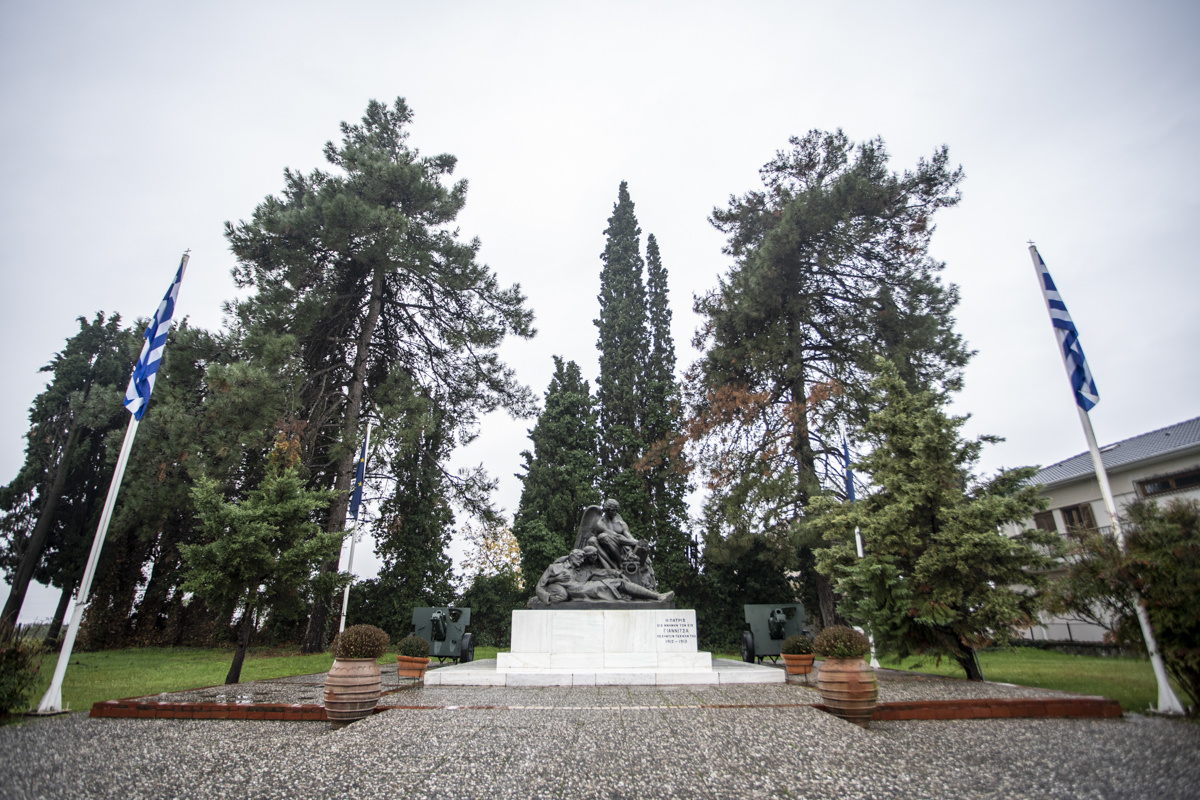
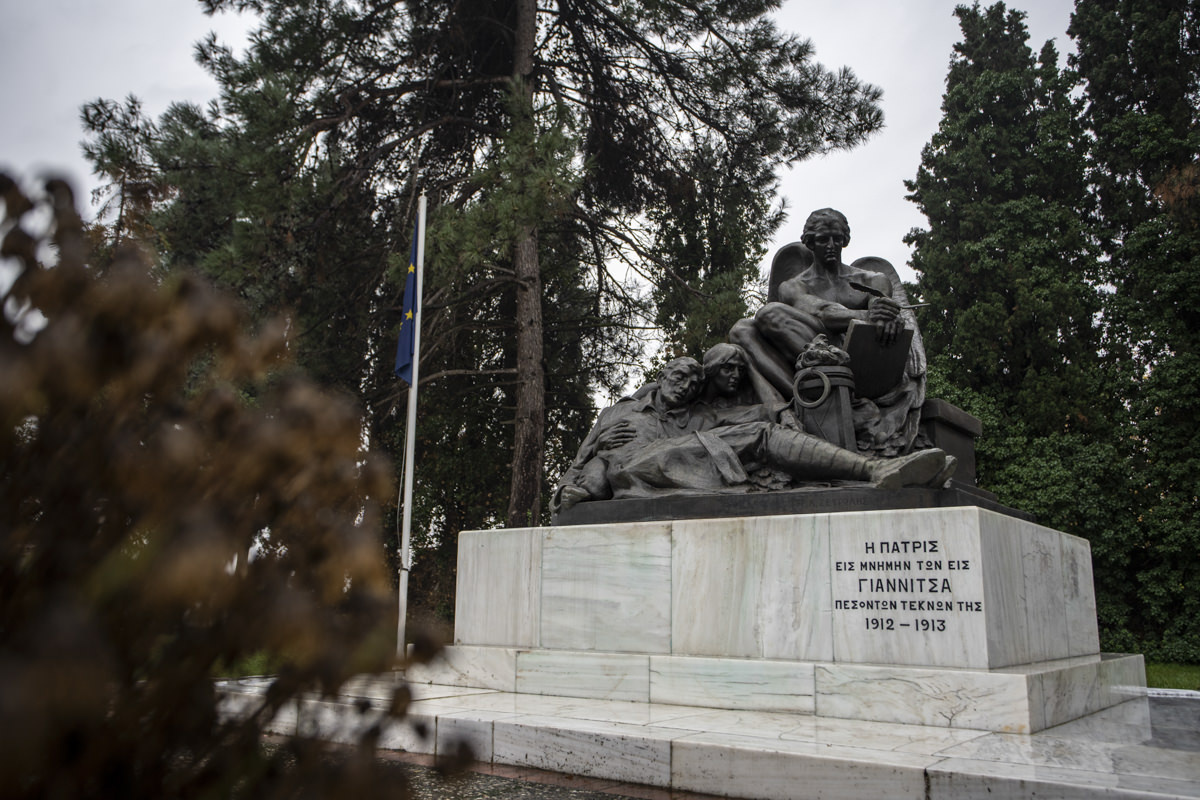
The Memorial of the Battle of Giannitsa is dedicated to the battle of Giannitsa that took place on 19-20 October 1912, during the First Balkan War. After the continuous retreats and the defeat at Sarantaporo, the Ottoman army organized a defensive line at Giannitsa to stop the advance of the Greek army. The defensive advantages on paper were overturned in the field. The Ottoman army was defeated, lost any possibility of regrouping, and a few days later signed the Protocol of Surrender of Thessaloniki. The Heron was created in the following decade, during the years 1925-1927 by the sculptor Gregorios Zevgolis, following a nationwide competition held by the Ministry of Military Affairs on 27 October 1925. It was not an individual artistic competition. In September and October of the same year, six successive competitions were held for the erection of the heroes of Axioupolis, Giannitsa, Kilkis, Lachanas, Doirani and Bizani.
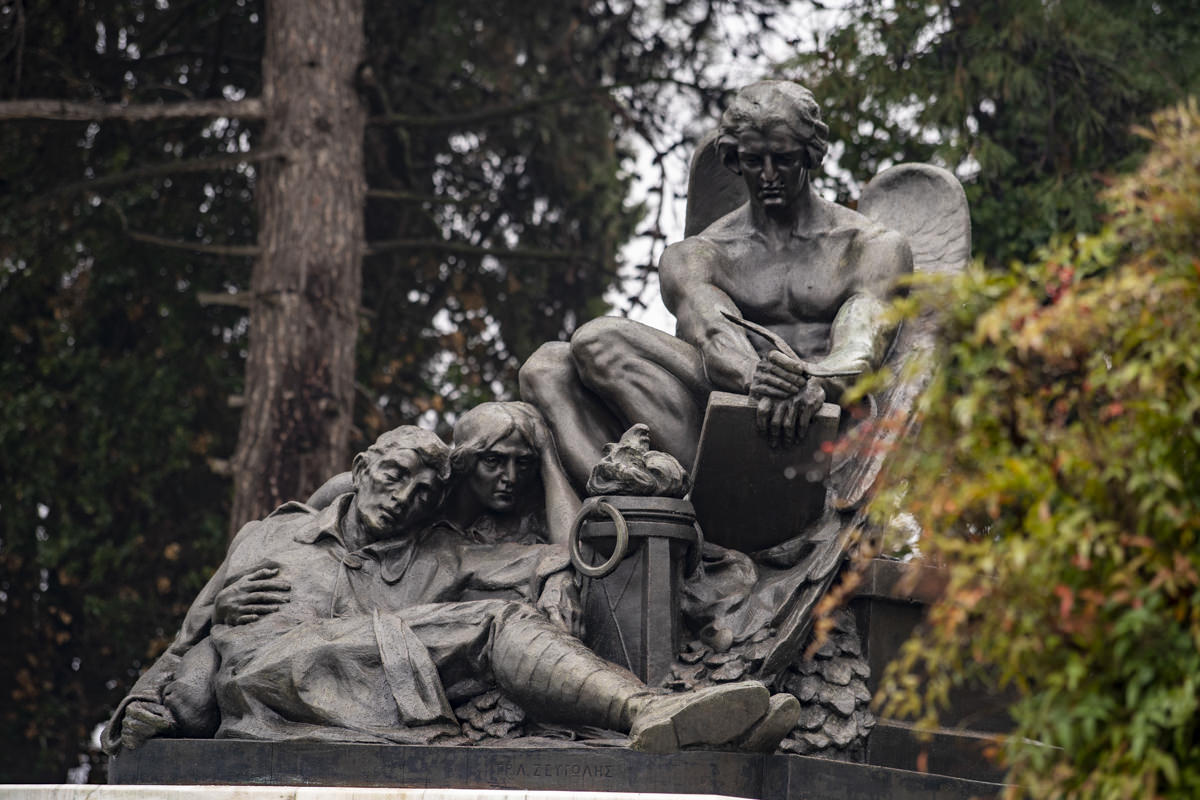
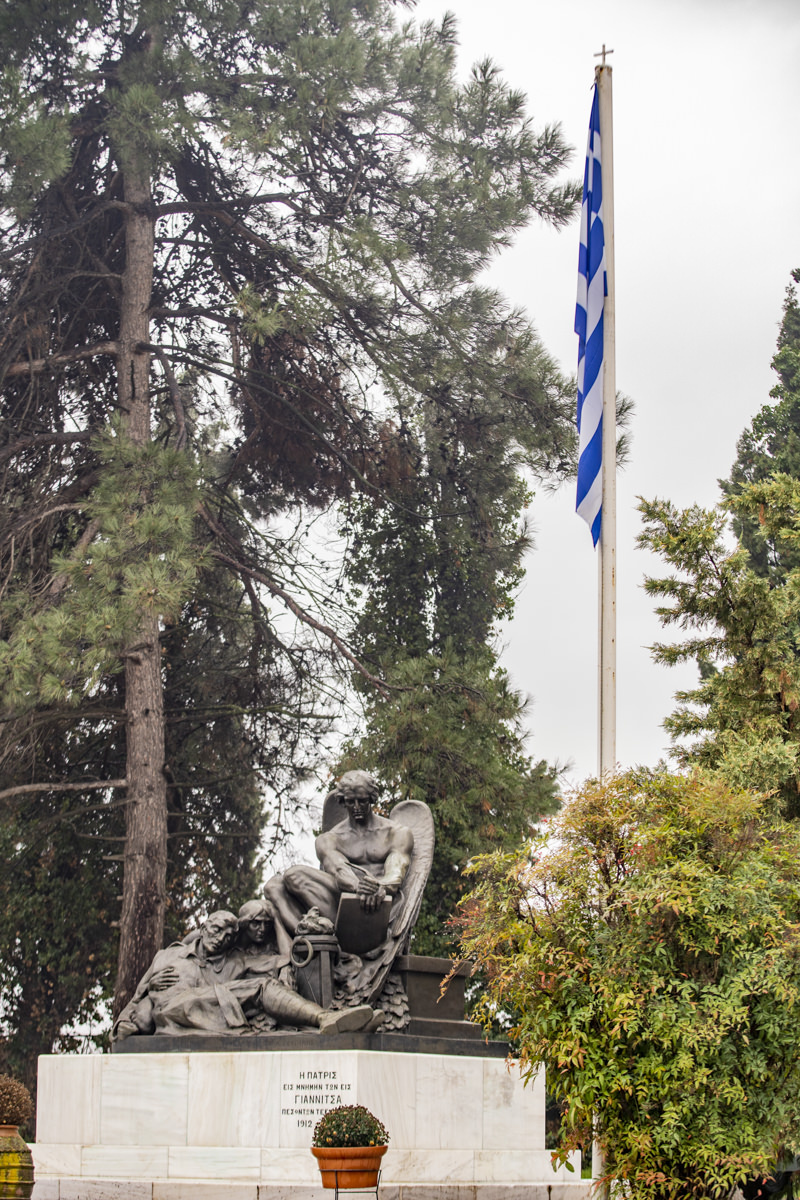
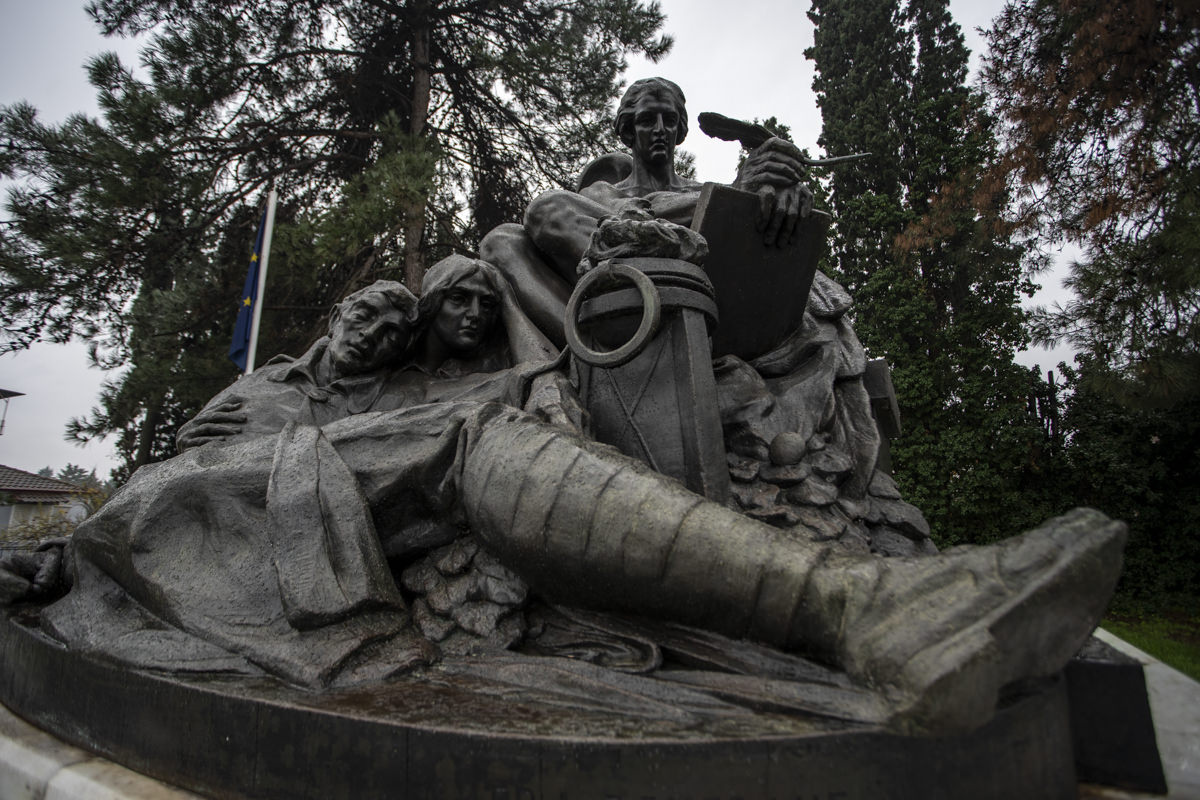
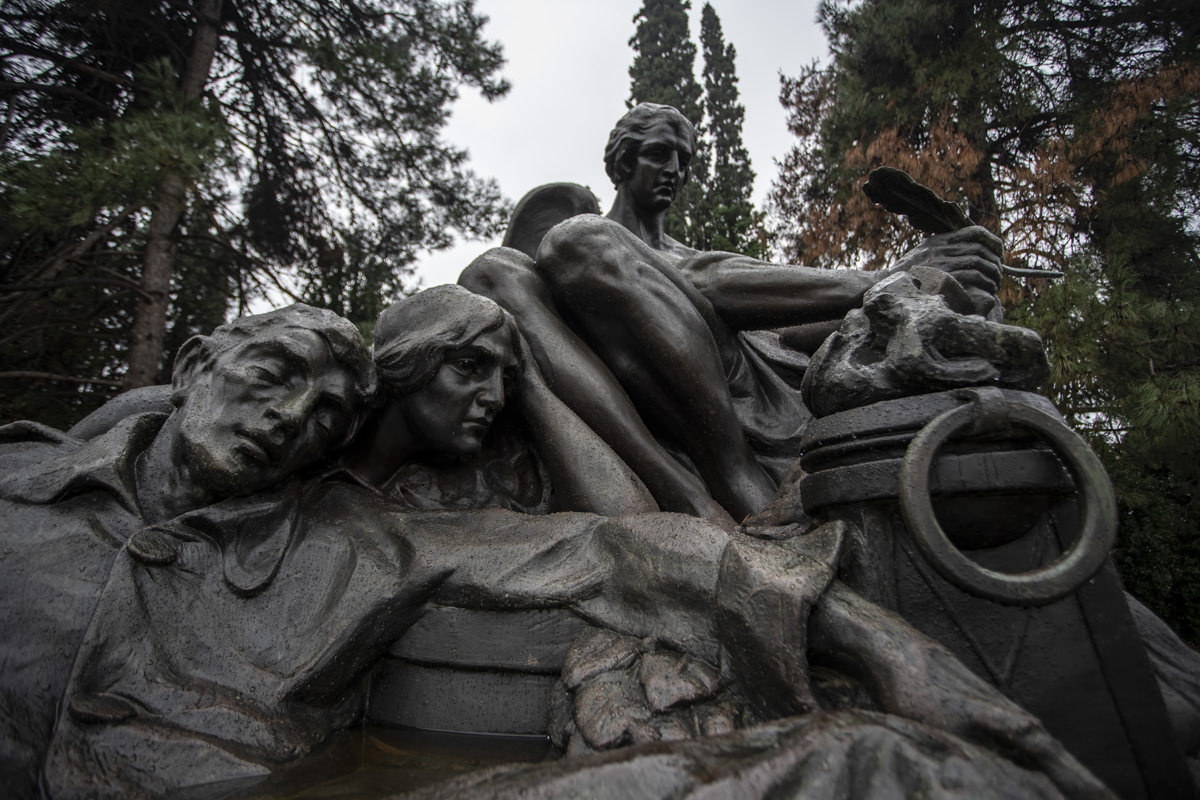
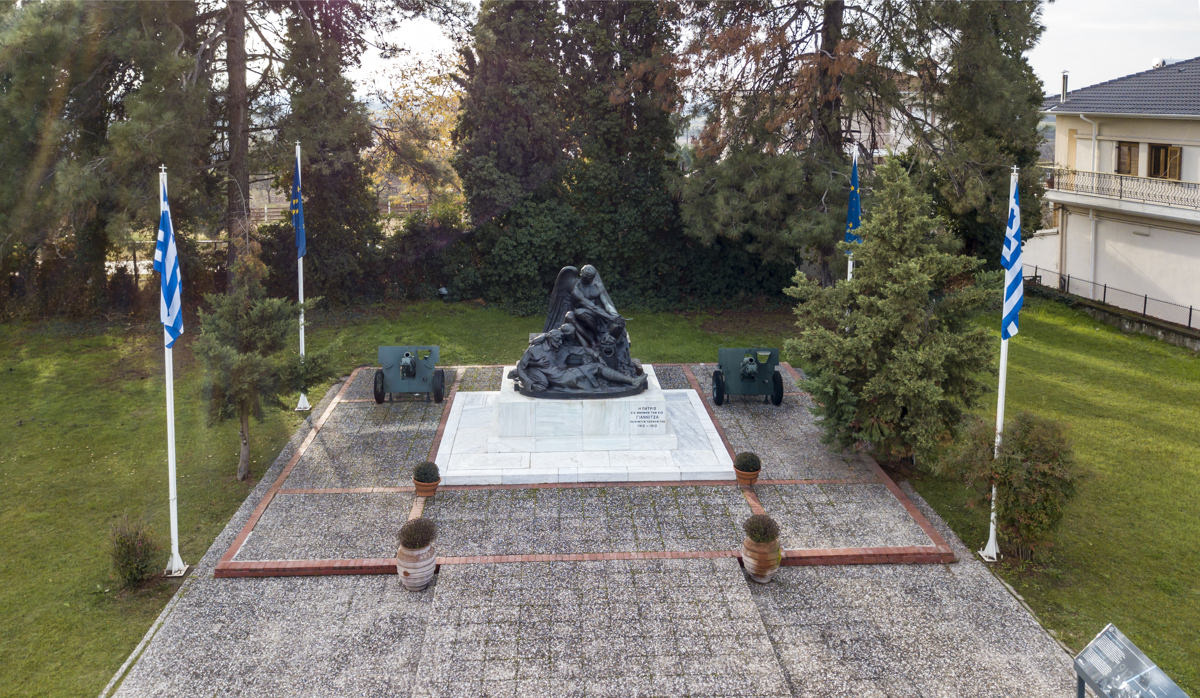
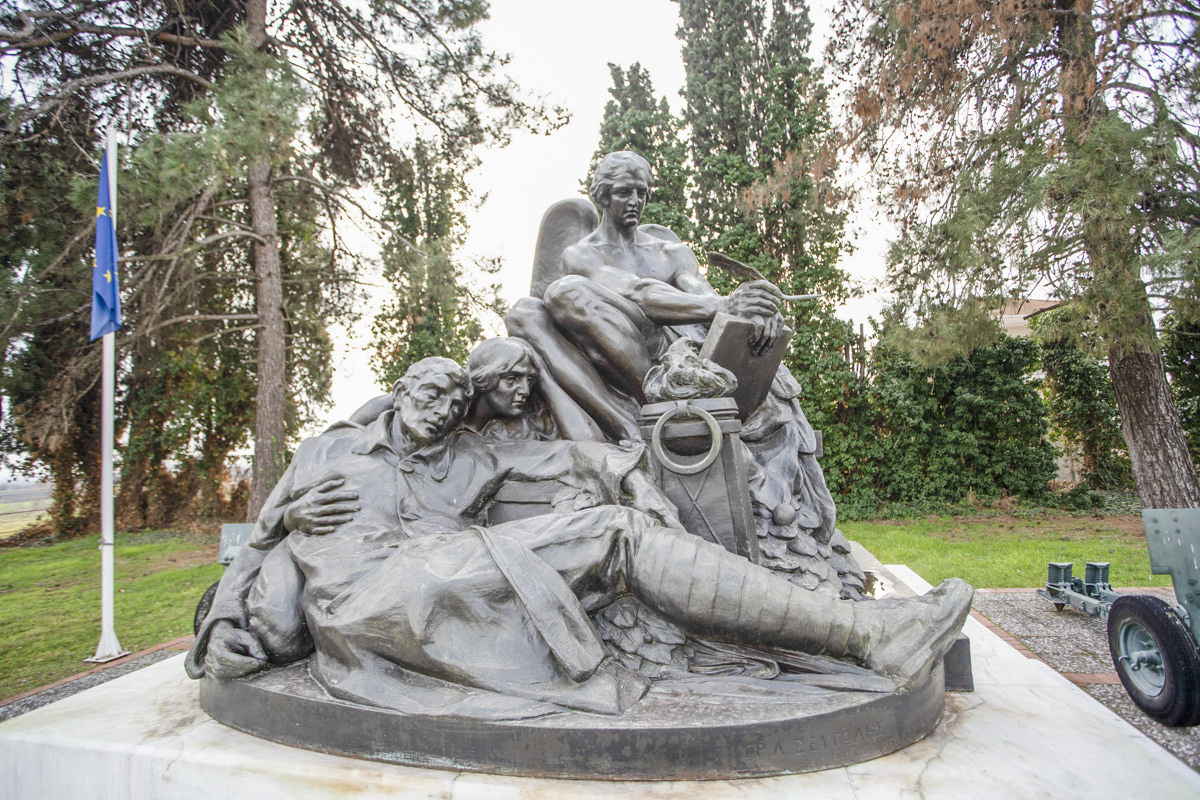
The Heron is a brass pyramidal complex. At the base is the figure of a Greek dead soldier in an almost supine position. Next to him is a female figure supporting him. At the top of the composition is a seated figure of a naked male angel, writing in a delta in a tubercle about the heroic battle framed by an altar burning with unquenched fire. The complex is mounted on a low stepped base of three levels. It is a monumental sculpture. The figures, oversized and built with strong volumes, depict robust bodies with Greek-style faces. The dramatic tone is structured through the successive, pulsating, dark surfaces, as the malleable brass material subjects the work to an uninterrupted relationship with light.
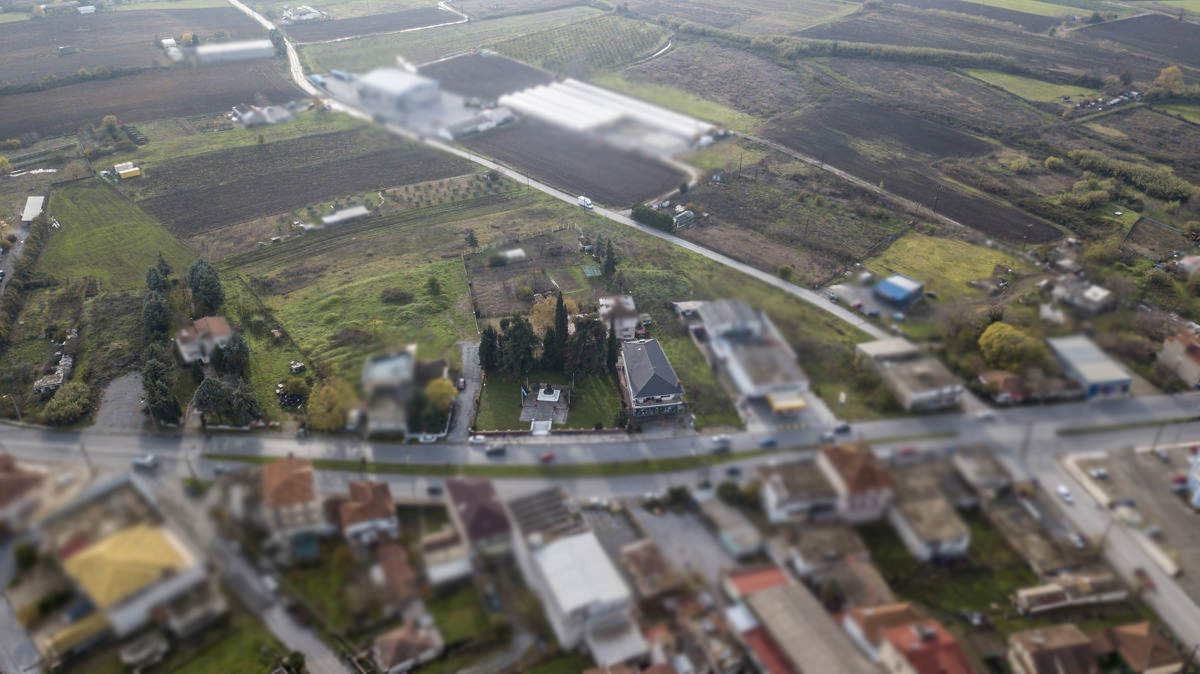
Paradoxical as it may sound, the Heron has little to tell about the Battle of Giannitsa, but much to tell about the interwar period and the development of the 20th century. It was a powerful factor of cohesion in the changing interwar society, which after the Asia Minor Catastrophe could draw strength and fortitude from it. The Heron was placed far from the urban center on the National Road from Thessaloniki to Florina (Via Egnatia). Its location at the entrance to the urban area shaped the post-Ottoman identity of the heroic city. It defined and sacralized the site, conveying to the traveler and the resident the message that it is a tomb of Greek heroes. The portable transformations of the Hero (postcards, photographs, banners, miniatures, logo of the Municipality of Giannitsa, etc.) reproduced the heroic message in everyday life. At the same time, under the unofficial name “Black Statue”, it also became the favorite public sculpture of the city, accompanying aspects of private life.