In Eleftherochori of Giannitsa
Following the northern exit of Giannitsa, the visitor will find the place where the testimonial village of Eleftherochori once stood. Today, the only remaining sign of life is the stone wall of the primary school. The stone and brick houses, the circular fountain, the Church of the Holy Spirit, all surrendered to the flames on March 23, 1944 by the German occupation army. Nineteen inhabitants of the refugee village were executed. Women, children and elderly people were sacrificed in this heinous crime.
Continuing the mountainous route to the north, the visitor will find the new settlement of Eleftherochori. Formed in the post-war period, it is a holiday resort of Giannitsa with increasing permanent settlement in recent years.
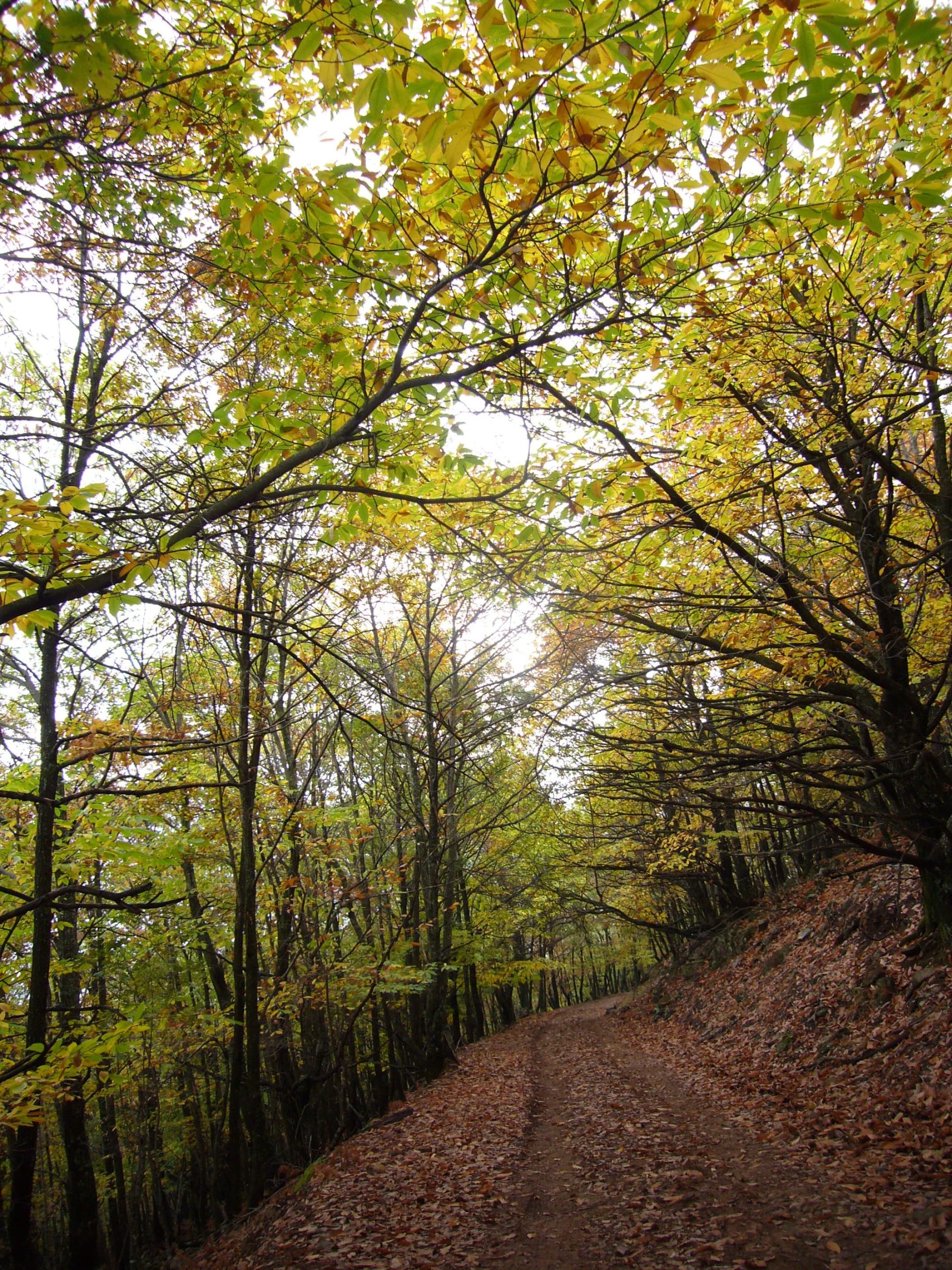
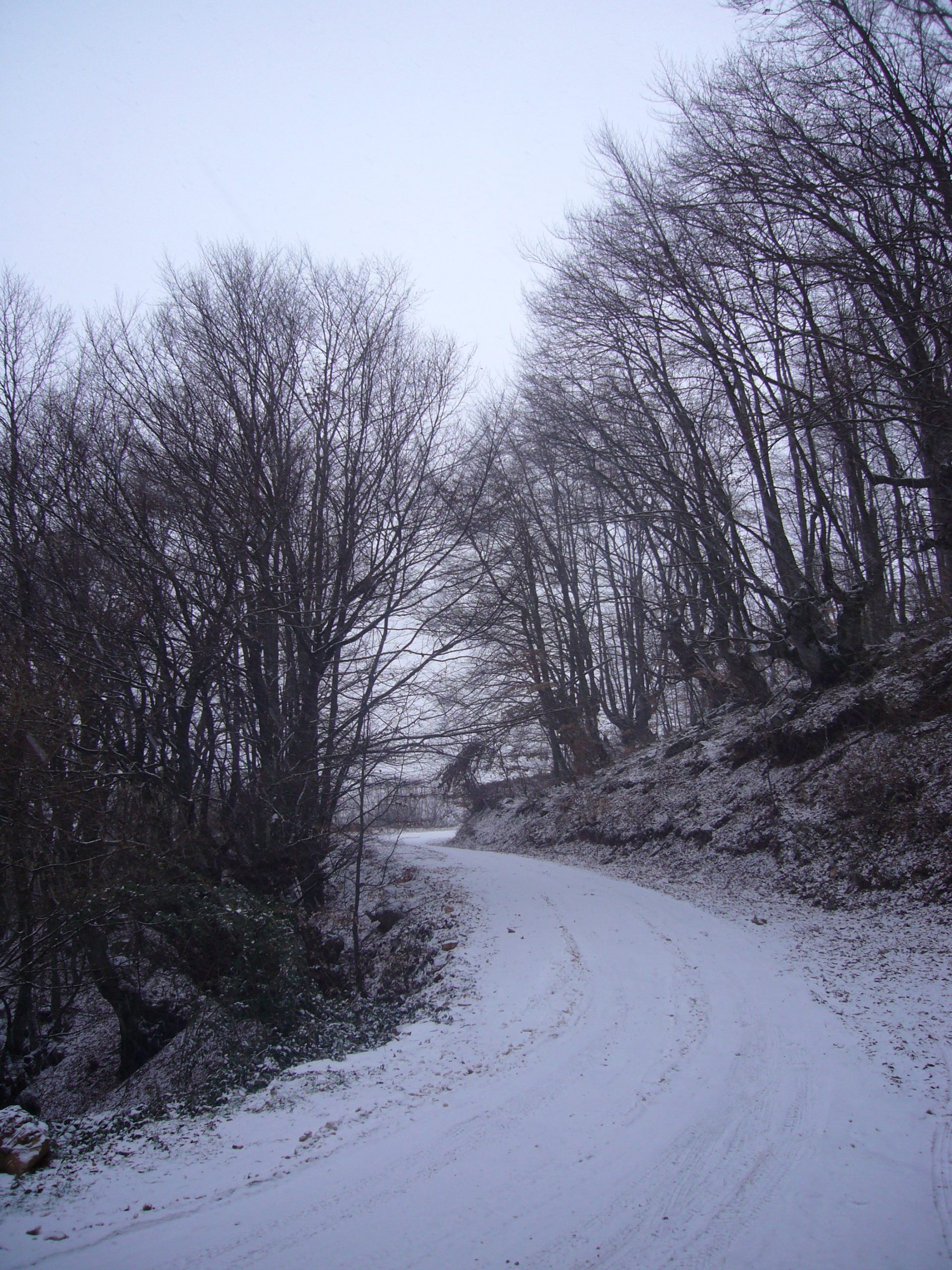
On the paths of Mount Paiko
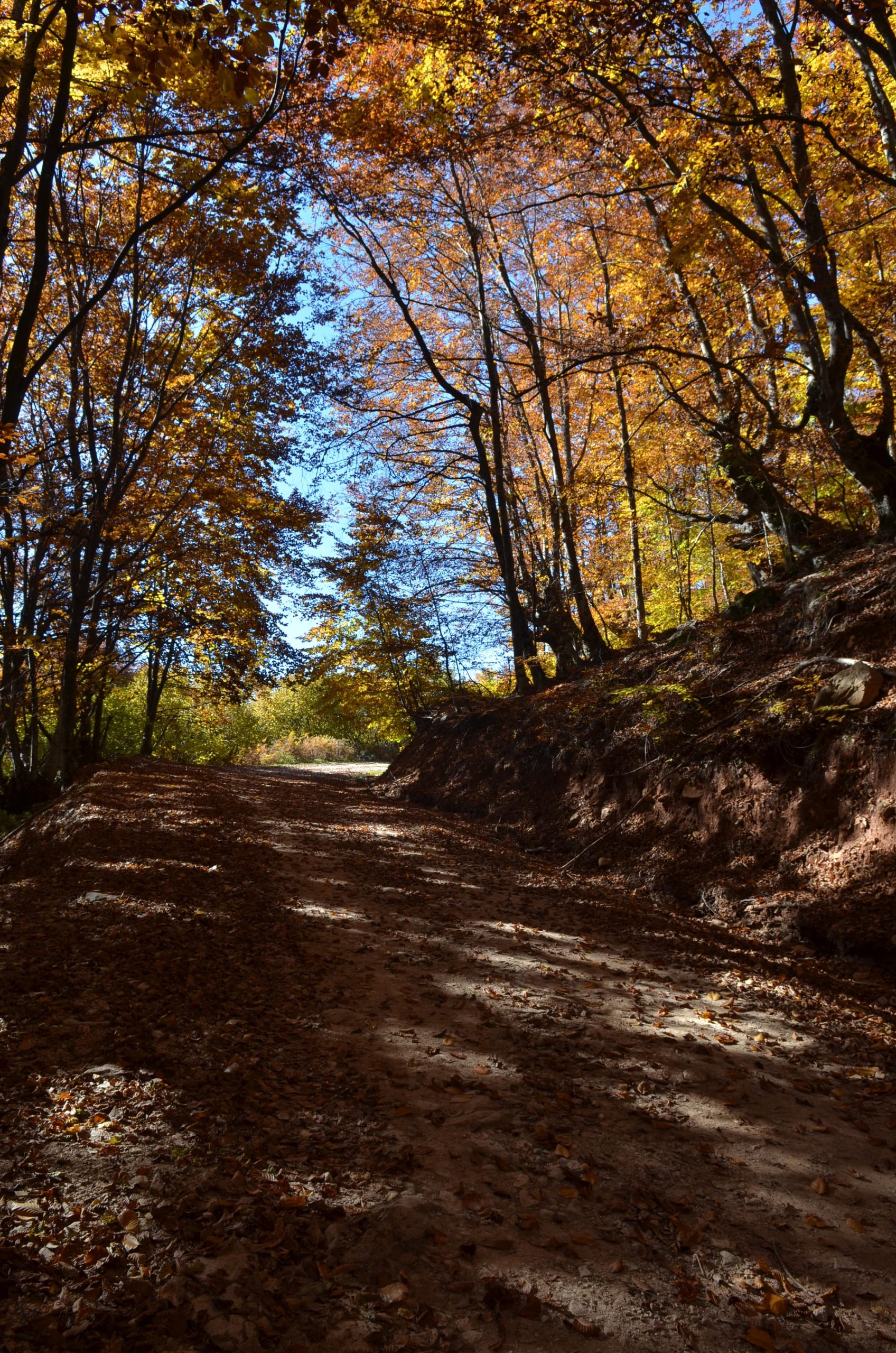
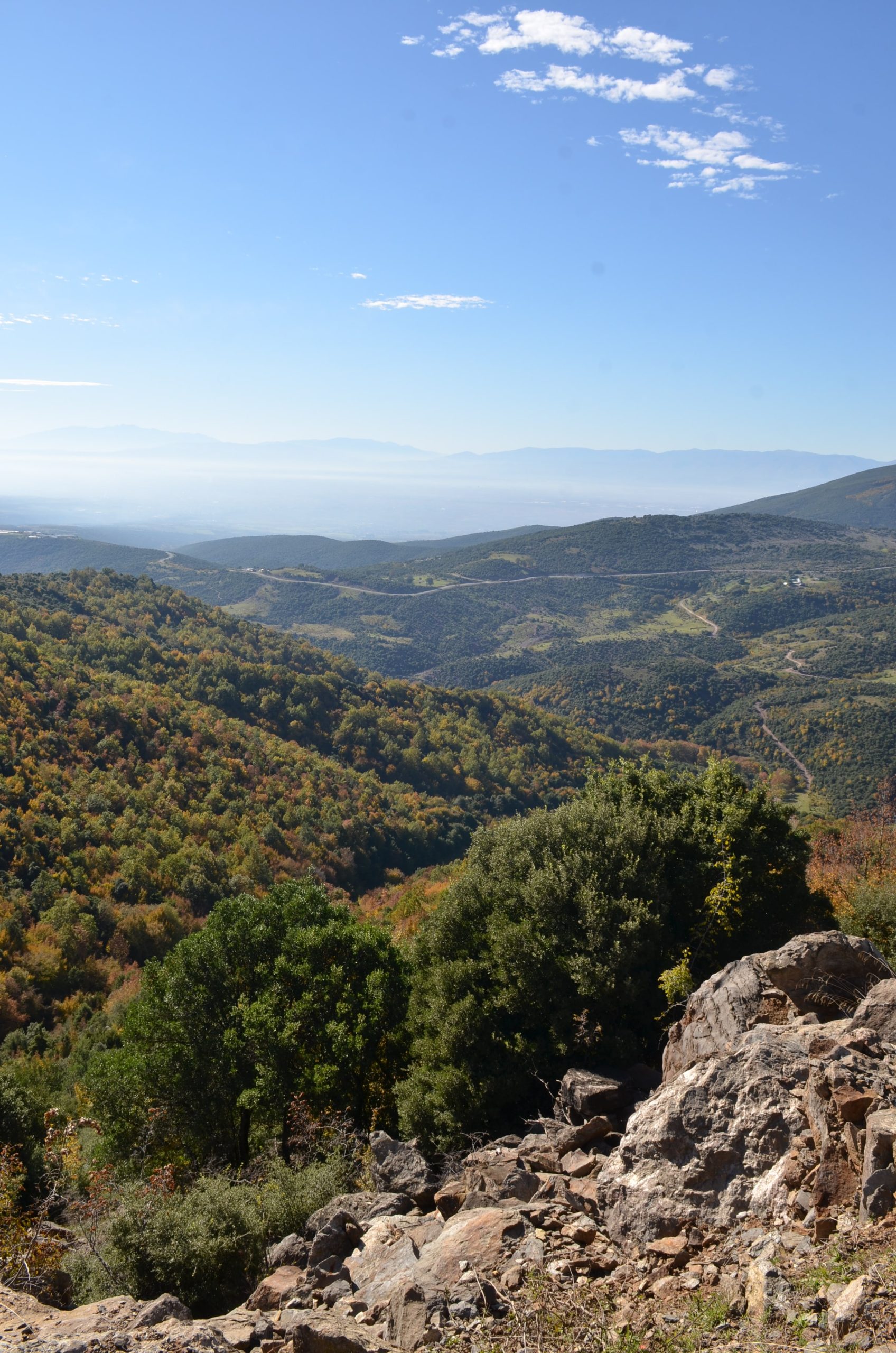
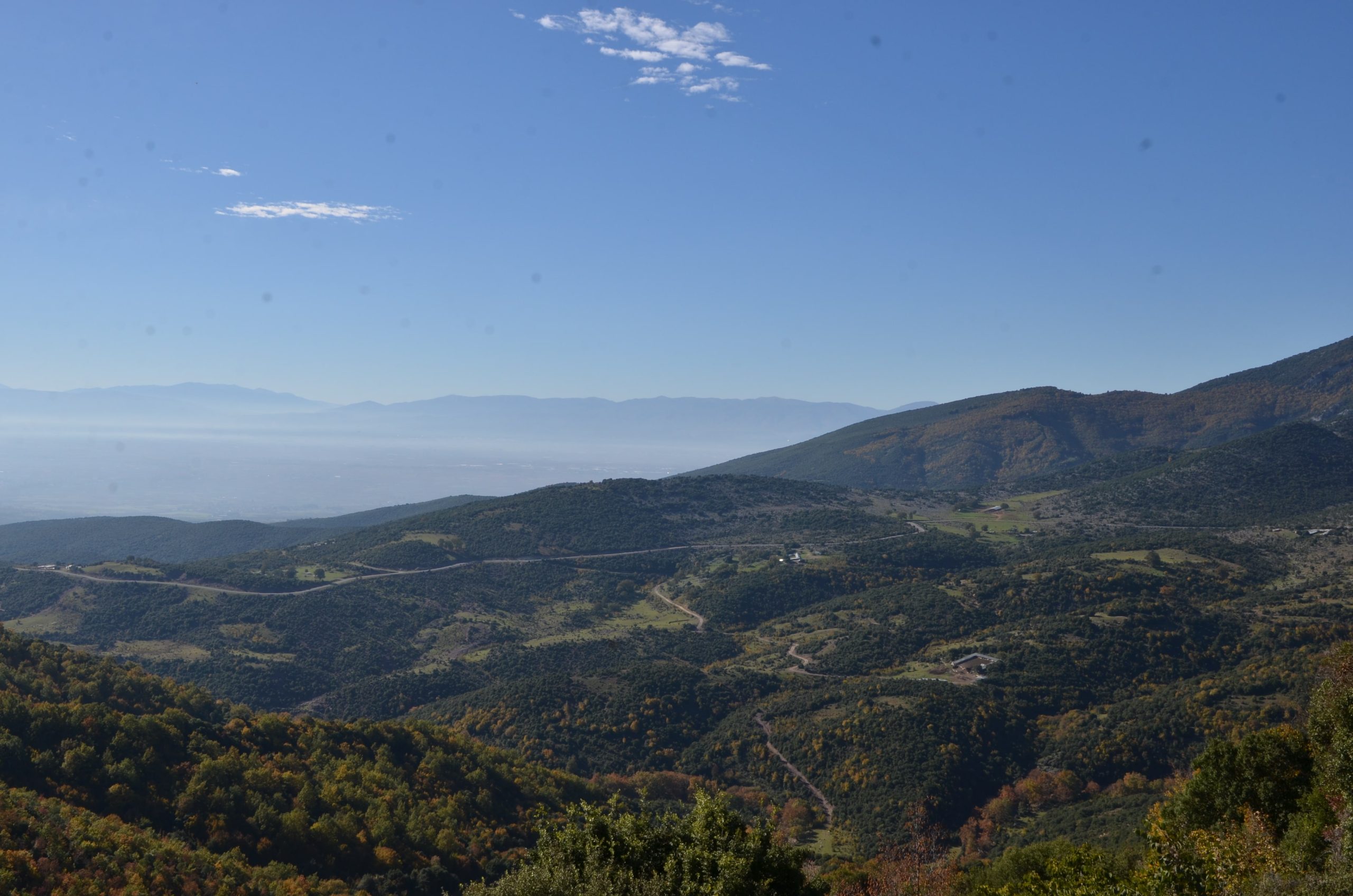
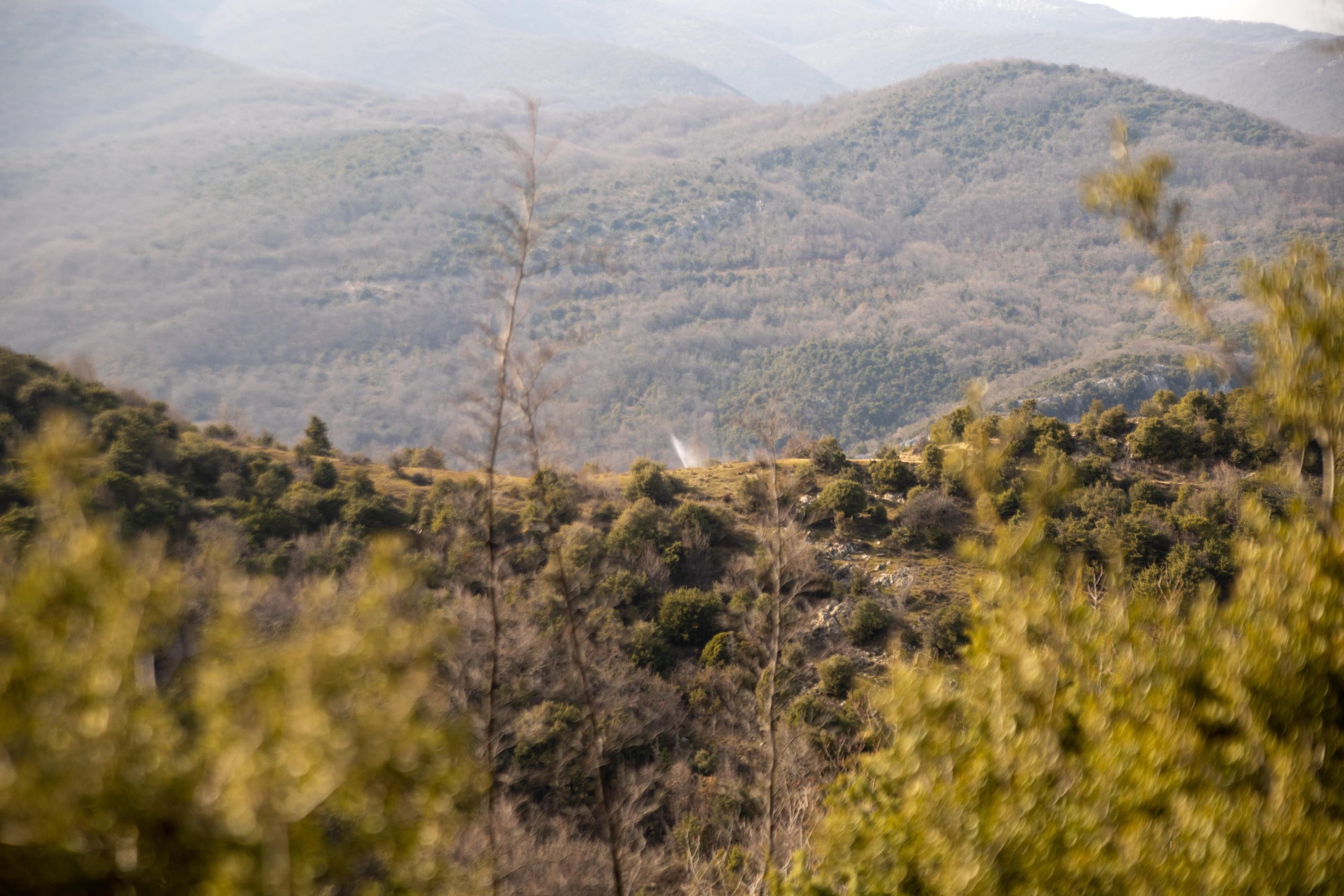
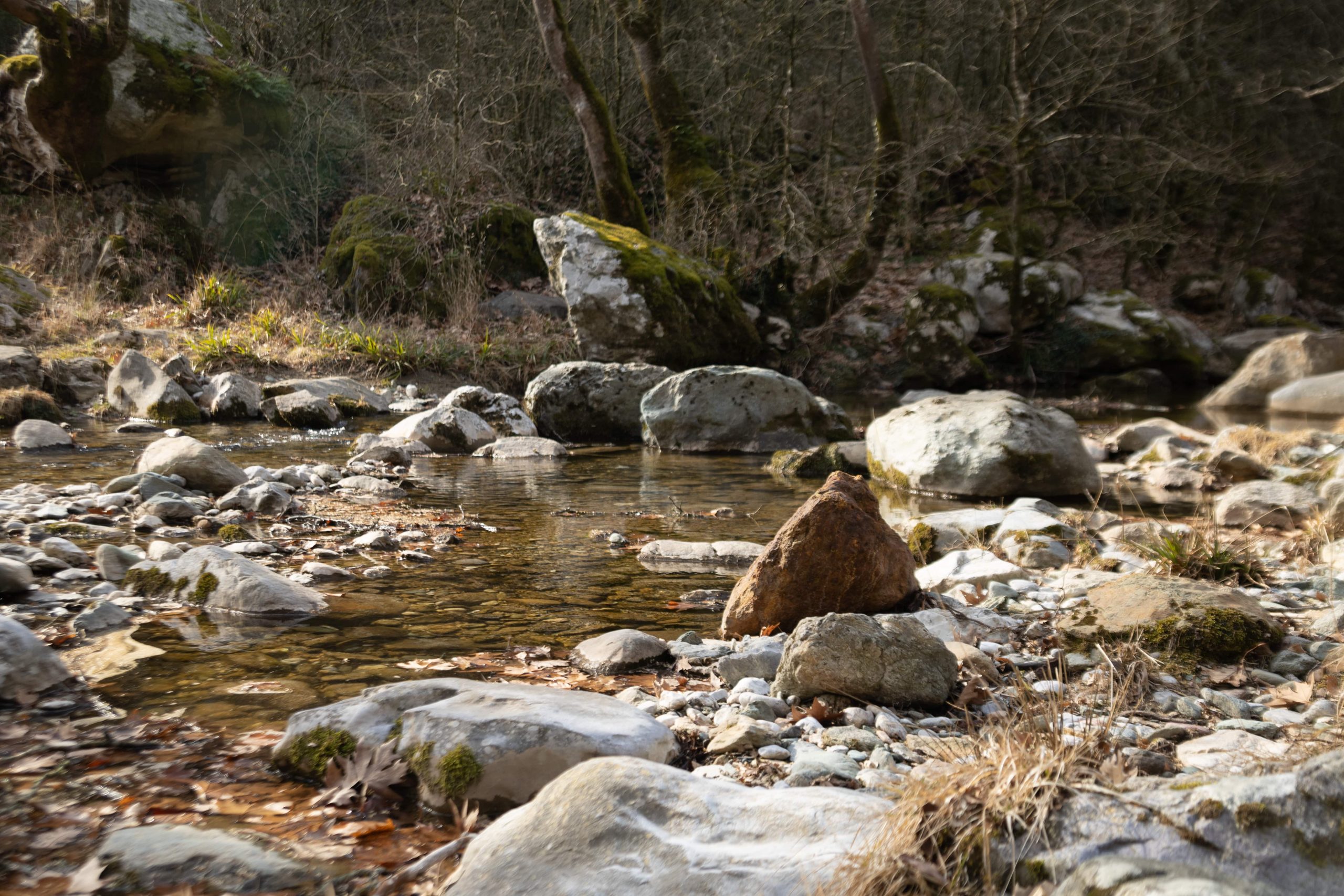
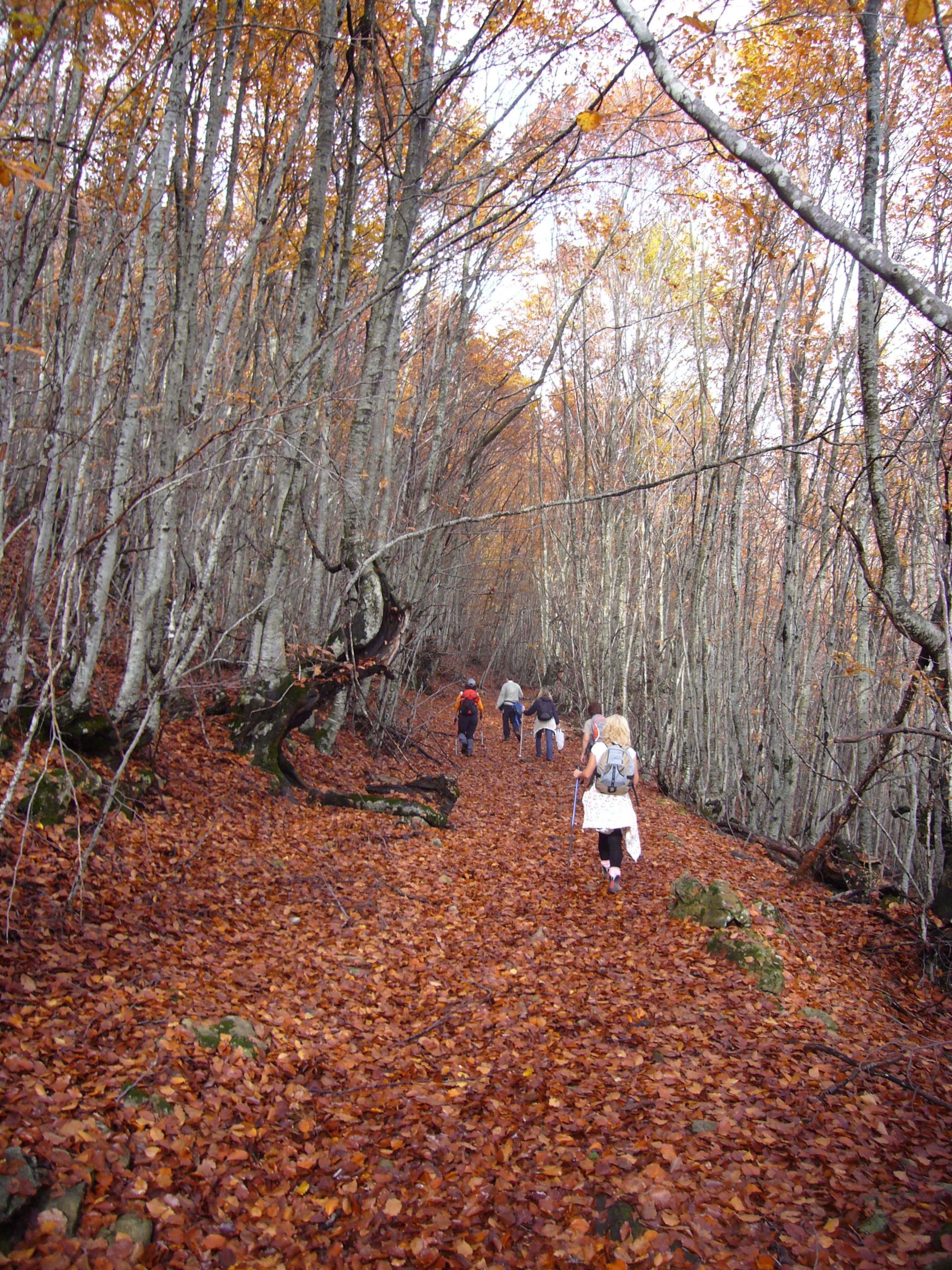
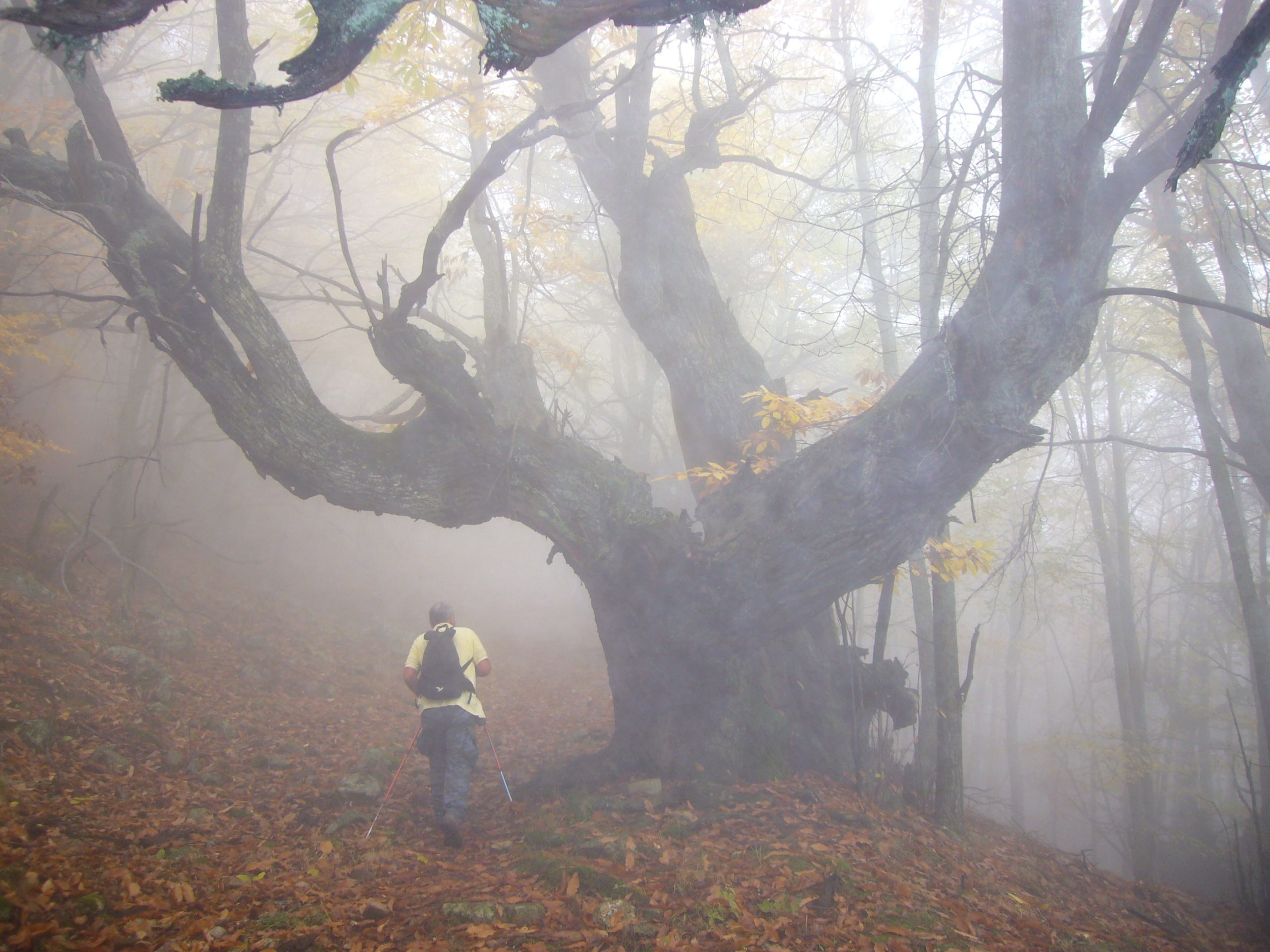
To the north of Giannitsa lies Mount Paiko, with the highest peak Gola Tsouka (altitude 1657m) with its dense forests, gullies, waterfalls and meadows. The altitude, the morphology, the routes offer views of the great plain and the mountain systems to the northwest. It is considered ideal for hiking and climbing without a high degree of difficulty.
The following routes are suggested as an indication:
Starting from Eleftherochori (10 km north of Giannitsa), the most common route leads after 45 minutes to Aloni (altitude 830 m).
From here starts the so-called Roman Trail, which we cross to face the Germanos plateau in 1 hour and 45 minutes and enjoy the view of the Thermaikos Gulf.
If we continue westwards, following the signs, and after completing a two-and-a-half-hour route, we arrive at the shelter of the BAO, where we can rest and drink the icy mountain water.
From here you can also see the Gola Tsouka peak, which can be reached by those who wish to hike another half an hour to conquer its summit!
By following other paths from Eleftherochori to the west, we can reach cool springs (Bella Voda) within an hour and a half or, after crossing the old road, we can reach Gramoska or the preserved settlement of Kromni (an hour and a half away).
In the Traditional Settlement of Kromni
The forest road of Mount Paiko leads the visitor to the mountainous settlement of Kromni. Climbed at 580 meters, it still retains the signs of history in the uninhabited stone houses. Despite its geographical isolation, Kromni prospered during the Ottoman period. The inhabitants, mainly woodcutters and farmers, survived with self-sufficiency even in difficult times. During the Occupation it was a refuge for guerrillas. The German army did not approach it. The difficult location deterred it. Later, in the early 1970s, the same reason led to the abandonment of the settlement and the relocation of the inhabitants to the settlement of Neos Mylotopos.
The stone houses of Kromni, the old primary school, the church of Agios Nikolaos (1858), the fountain with running water, the springs, the caves of the forest are the images of a life that stopped in time. The non-embellished character of Kromni offers the visitor an authentic journey into the past.
At the Domaine Ligas
Just 4 km after the Archaeological Site of Pella and near the mound of the Mansion is the Ktima Ligas, a modern winery that continues the Pellaia tradition of producing organic wine. The large, wooden barrel from the beginning of the last century welcomes the visitor to the welcoming space. Here, he has the opportunity to taste the Liga wine. Cultural events (music, art and literary evenings) are often hosted in the reception area. Information about your visit on the website www.ligas.gr